The Real Timeline for Autonomous Income in the US, Mexico, and Africa


Autonomous vehicles are not a technology story. They are an ownership and economics story. A self driving car only matters when it can reliably make more money than it costs to own, insure, operate, and replace. Until that moment, it is still a depreciating asset with better software.
This article is written for people who want their car to make money and for operators who want to build transportation businesses in North America first and then expand into Mexico, Nairobi, Mombasa, Freetown, and Durban as autonomy becomes viable globally.
This is not about hype. This is about timing, math, and preparation.
When a Car Becomes an Asset Instead of a Liability
A realistic timeline and business model for autonomous income
The question is not when self driving cars arrive. The question is when an average person or small operator can legally buy one, insure it, and put it to work generating income while they sleep.
Based on hardware cycles, regulatory behavior, and insurance economics as of late 2025, the timeline looks like this.
Short answer
2027 is the early adopter window in limited zones
2030 to 2032 is the true mass market window
Anything earlier is pilot territory. Anything later means missed leverage.
Who this is for
This analysis is for two groups.
First, individuals who are considering their next vehicle purchase and want to know if that vehicle can eventually become income producing instead of purely depreciating.
Second, entrepreneurs and operators who want to build transportation businesses in North America and later replicate those models in Mexico and key African cities where mobility demand is high and infrastructure gaps create opportunity.
This is not written for people fascinated by technology.
It is written for people focused on ownership and systems.
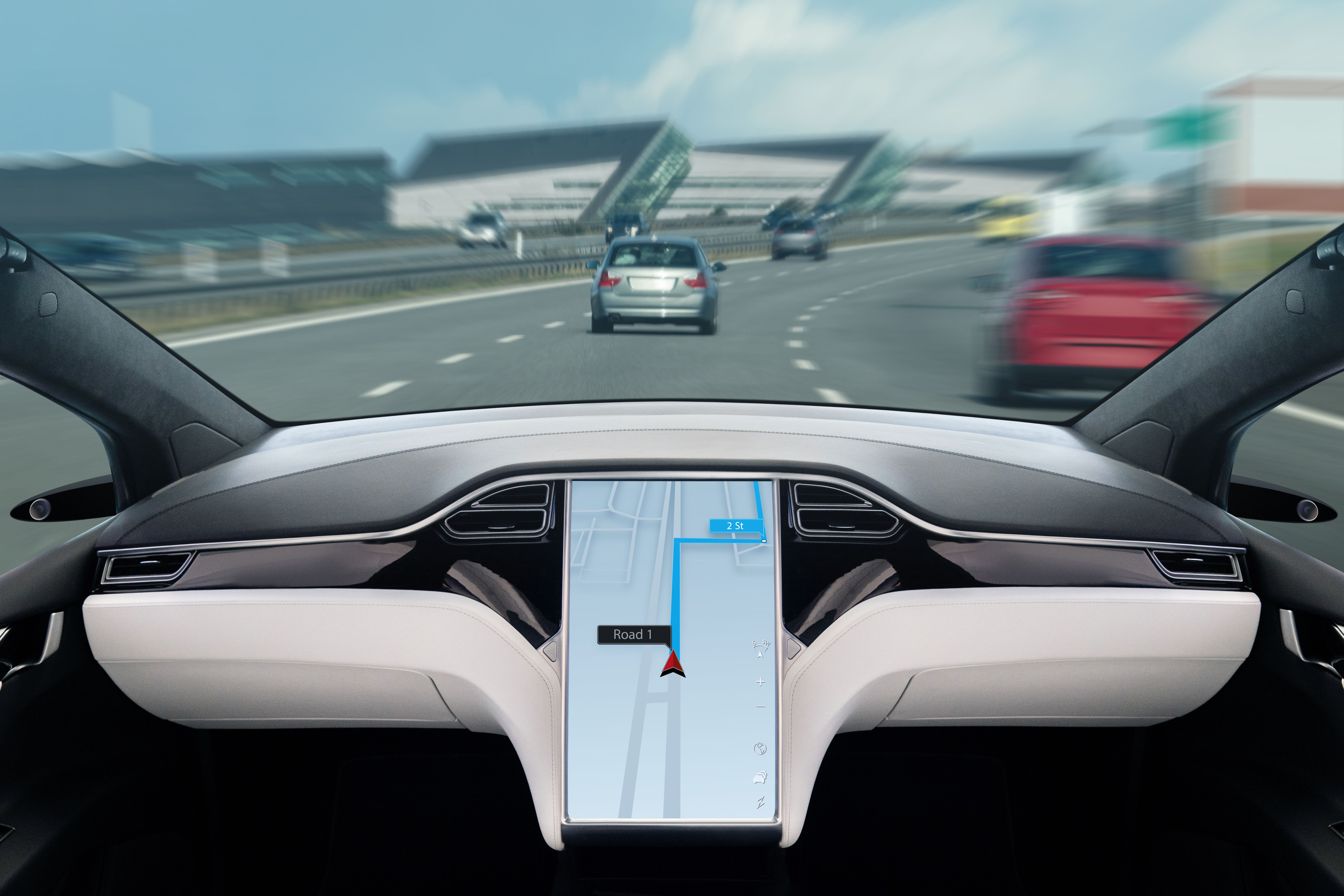
The early adopter phase 2027 to 2029
The hardware inflection
Tesla and other manufacturers have signaled that next generation autonomy hardware, often referred to as Hardware 5 or equivalent, is expected to reach volume production around 2027. Autonomy is compute bound. Without sufficient onboard processing power, true driverless operation is not sustainable.
This generation of hardware is widely expected to be the first consumer accessible platform capable of sustained driverless operation in controlled environments.
Where it will actually work
During this phase, autonomy will not work everywhere. It will be geographically constrained to approved cities and corridors.
In North America, expect early green zones in cities such as Austin, Phoenix, Miami, and parts of California.
Vehicles may be capable, but commercial use will be limited to approved zip codes, routes, or districts.
The economics of being early
Returns during this phase will be uneven but potentially high. Competition will be limited, fares will remain elevated, and utilization will be strong in approved zones.
This period will feel similar to the early days of Airbnb or ride sharing. High upside, legal complexity, and strong first mover advantage.
The mass market phase 2030 to 2032
Regulation and insurance alignment
By around 2030, a standardized liability and insurance framework is likely to exist in the United States. This is the real unlock. Without insurance, there is no scale. Once insurers can price risk consistently, autonomous ownership becomes financeable.
This is when autonomy stops being exciting and starts being boring, which is exactly what businesses need.
Software licensing expands access
Fleet ownership does not scale globally fast enough. As a result, autonomy providers are likely to license their software stacks to traditional automakers. This allows consumers and small operators to buy autonomy directly rather than renting it from a single platform.
This shift opens the door for widespread owner operated autonomous vehicles.
The real income window
This is the period when an average buyer could realistically finance a fifty to sixty thousand dollar autonomous electric vehicle and expect it to generate meaningful monthly revenue in approved zones.
This is not passive income fantasy. It is asset backed income with real operating costs.
The math that determines everything: cost per mile
Human driven taxi cost per mile
A realistic breakdown looks like this.
Labor
0.70 to 1.20 dollars per mile
Fuel or charging
0.10 to 0.20 dollars per mile
Maintenance and depreciation
0.30 to 0.50 dollars per mile
Insurance and overhead
0.15 to 0.30 dollars per mile
Total human driven cost
Approximately 1.25 to 2.20 dollars per mile
This is why ride share margins are thin and driver turnover is constant.
Autonomous taxi projected cost per mile by 2030
Labor drops to zero, but new costs appear.
Autonomy software and licensing
0.20 to 0.40 dollars per mile
Energy
0.05 to 0.10 dollars per mile
Maintenance and accelerated depreciation
0.20 to 0.35 dollars per mile
Insurance and remote operations
0.10 to 0.20 dollars per mile
Total autonomous cost projection
Approximately 0.55 to 1.05 dollars per mile
This cost gap is the entire business case.
When fares average 2.50 to 3.50 dollars per mile, the margin becomes meaningful for owners, not just platforms.
A simple operating scenario
One autonomous vehicle
Operates 18 to 20 hours per day
Averages 200 miles per day
Daily revenue at 3 dollars per mile
600 dollars
Monthly revenue at 25 operating days
15,000 dollars
Monthly operating cost at 1 dollar per mile
5,000 dollars
Estimated gross margin
10,000 dollars per month before financing
After loan payments and reserves, this becomes a real operating business.
Three constraints that still control timing
The anywhere problem
True autonomy everywhere is still years away. Early businesses will operate in approved cities and corridors only.
The cleaning and reset problem
Vehicles running nearly nonstop require cleaning, charging, and inspection. This creates demand for dedicated service hubs.
Depreciation versus revenue
High utilization vehicles age four to five times faster than personal cars. The model only works once battery systems reliably reach five hundred thousand to one million miles.
Why this expands beyond North America
North America will be the proving ground, but it will not be the largest long term opportunity.
Once autonomy is proven, standardized, and insurable, growth accelerates in markets where transportation demand is high and infrastructure is inconsistent.

Mexico as a near term expansion market
Mexico is a phase two market, not a distant future market.
Why Mexico works
High urban density
Heavy ride hailing usage
Strong tourism corridors
Short distances between major cities
Growing interest in electric vehicles
Likely early use cases
Airport to hotel routes
Tourist zones
Business districts
Highway corridors between cities
Operators who build local partnerships, regulatory relationships, and fleet systems early will scale rapidly once approvals are granted.

Kenya: Nairobi and Mombasa
Kenya represents a structured entry point into East Africa.
Why Nairobi and Mombasa matter
Rapid urban growth
High demand for reliable transport
Strong mobile payment adoption
Government interest in smart city initiatives
Likely early autonomy use cases
Corporate shuttles
Business parks
Airport corridors
Tourism and port related transport
Controlled environments will lead deployment before citywide autonomy.

Sierra Leone: Freetown
Freetown represents an emerging market leapfrog opportunity.
Why Freetown matters
Limited formal public transit
High demand for reliable point to point transport
Strong government interest in modernization
Likely early autonomy use cases
Airport to city corridors
Government and institutional transport
Tourism focused routes
The opportunity here is not just vehicles but operating systems and public private partnerships.

South Africa: Durban
Durban represents a logistics and tourism focused autonomy market.
Why Durban matters
Major port city
Strong tourism demand
Established road infrastructure
Interest in private sector led solutions
Likely early autonomy use cases
Port and logistics corridors
Hotel and tourism routes
Corporate transport
South Africa may move slower on regulation, but when it moves, scale can be significant.
How operators should prepare now
Shift your mindset
Stop thinking like a driver. Start thinking like an operator focused on routes, utilization, downtime, and compliance.
Pick one city and one use case
Depth matters more than breadth. Choose one market and master it.
Build the company early
Form the operating entity. Begin insurance conversations. Draft operating agreements. Credibility matters.
Track regulation and insurance weekly
Technology does not unlock markets. Insurance and regulation do.
Prepare autonomy adjacent businesses
Cleaning hubs, charging services, fleet management, and route optimization will make money before full autonomy arrives.
Build global optionality early
Secure domains, trademarks, multilingual branding, and local advisors before demand explodes.
The real winners
The biggest winners will not be the first people to buy autonomous cars.
They will be the people who build the companies, systems, and relationships that operate fleets across multiple markets.
Autonomy is the catalyst.
Operations are the moat.
Final verdict
Aggressive estimate
2028 in select North American cities for early operators
Realistic estimate
2031 for average operators to legally own, insure, and operate autonomous vehicles as income producing assets
Final question for the reader
Would you rather own one autonomous car, or control the company that manages, cleans, insures, and routes a hundred of them across multiple countries?